There’s nothing like that first deep breath of crisp mountain air — until it makes you feel light-headed and you wonder if you’re already out of shape.
On our first trip to Breckenridge, Colorado (around 9,600 ft), I followed every tip I’d read — and still ended up with a dull headache that first few nights. In other words, altitude isn’t something you can ignore, but these simple high-altitude travel tips can help you feel a whole lot better and focus on the fun.

💧 1. Drink More Water than You Think You Need
At higher elevations the air is drier and you lose fluids faster just by breathing. Start hydrating the day before you head up if you can, and sip steadily during your trip. To help with that, bring a reusable water bottle with you and refill often. Similarly, keep water on your nightstand in case you wake up with dry mouth.
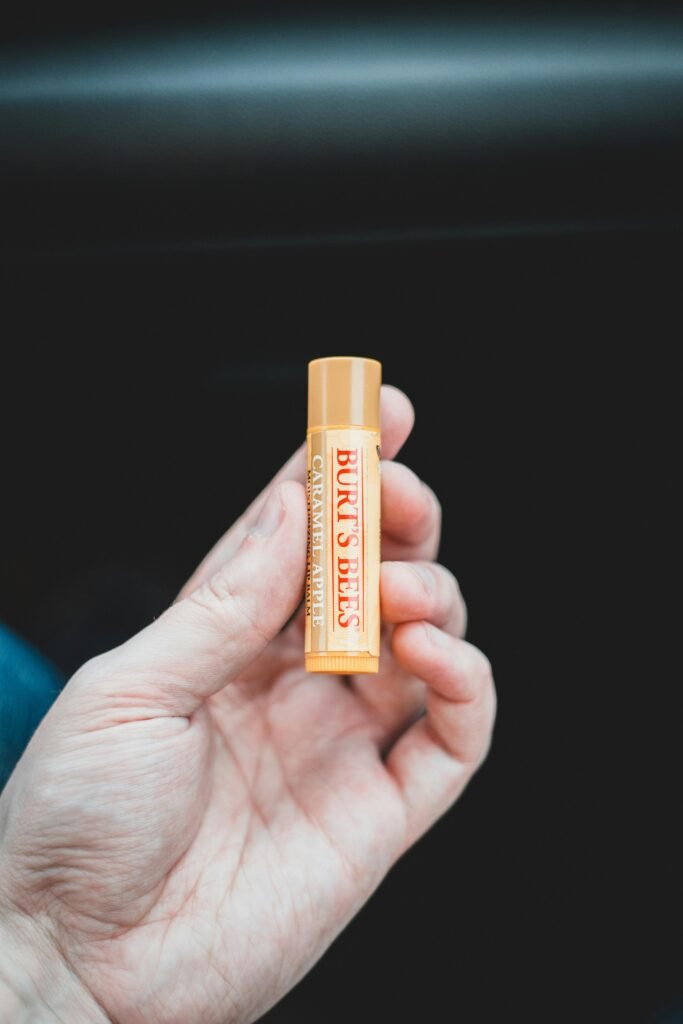
💄 2. Pack Lip Balm — and Use It Often
The dry mountain air can chap your lips in no time. But, a basic SPF lip balm is your new best friend, especially if you’re hiking or spending the day outdoors. Apply early and often for best results.
👃 3. Saline Nasal Spray for Dry Noses
A simple saline mist helps keep nasal passages from drying and cracking, which can make you more comfortable (and less prone to nosebleeds). In addition, you may find your eyes dry out as well, so packing some eye drops is something you may want to consider as well.
🍷 4. Easy on the Alcohol (Especially the First Night)
Alcohol dehydrates you and can intensify headaches and that “ugh” feeling at altitude.
Enjoy a toast — just pace yourself and alternate with plenty of water.

🏞️ 5. Don’t Schedule Your Biggest Adventure on Day 1
Give your body at least 24 hours to acclimate before strenuous activity like a long hike or biking uphill.
That first day is perfect for a scenic drive, an easy stroll, or coffee with a mountain view.
🌡️ 6. Dress in Layers and Protect from the Sun
Even in summer, temps swing fast at higher elevations. Bring a light jacket or fleece for cool mornings and evenings. The sun is stronger up high — SPF 30+ sunscreen, sunglasses, and a hat are must-haves.
💨 7. Ask if Your Room Has a Humidifier
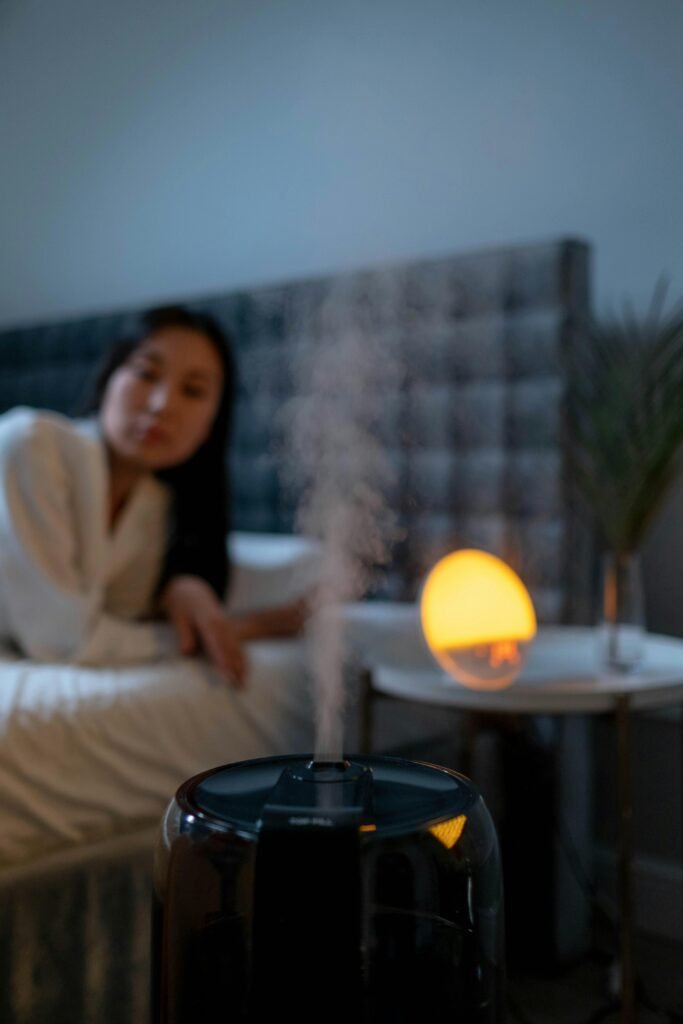
Dry indoor air can make altitude symptoms worse. Our hotel offered a humidifier for the room, and it made a big difference overnight. Make sure to check and see if your accommodations include a dehumidifier and keep it going, especially while you sleep. If yours doesn’t have one, a small travel humidifier can be a worthwhile investment.
🫁 8. Pace Yourself and Listen to Your Body
Shortness of breath and mild fatigue are common above 8,000 ft. Walk slower, take breaks, and don’t ignore dizziness or severe headaches — those can be signs to rest or seek care. I found myself short of breath very quickly when climbing stairs and hiking inclines, but if I slowed down and paced myself, I was able to push through.
💊 9. Pack Headache Relief Just in Case
Even with all the right steps, you might still feel a headache coming on. Bring your preferred over-the-counter pain reliever so you’re not hunting for a pharmacy after symptoms hit.
🥤 10. Snack Smart and Keep Fuel Handy
High-carb snacks like fruit, granola bars, or crackers can give you quick energy on hikes or when you feel a little low.
Pro Tip: Even following most of these tips, I still had a mild headache the first couple nights — proof that sometimes your body just needs more time to adjust.
🔗 Additional High Altitude Travel Helpful Resources:
For more background on altitude effects and prevention, see this traveler-friendly guide from Cleveland Clinic – Altitude Sickness: Symptoms & Prevention.